
Six Sigma for Clinical Outcomes Improvement is a data-driven methodology reducing patient readmissions by optimizing healthcare processes through analysis, error prevention, and continuous improvement. Key benefits include:
1. Significant reduction (up to 20%) in readmission rates within a year.
2. Improved data collection & analysis.
3. Standardized quality care.
4. Evidence-based practices integrated into discharge processes.
5. Performance measurement using KPIs for early trend detection and correction.
6. Interdisciplinary collaboration between healthcare professionals and statistical experts.
7. Continuous learning and innovation leading to better patient outcomes.
In the pursuit of enhancing healthcare quality and patient safety, Six Sigma for Clinical Outcomes Improvement has emerged as a powerful methodology. Hospital readmissions, a critical indicator of care effectiveness, are a significant area of focus due to their profound impact on patient outcomes and resource utilization. This article delves into the profound influence of Six Sigma techniques on reducing patient readmission rates. By applying rigorous data analysis, process optimization, and quality control measures, healthcare organizations can achieve substantial improvements in clinical outcomes. We will explore how Six Sigma methodologies, naturally tailored for clinical outcomes improvement, can navigate complex healthcare challenges, fostering a culture of excellence and enhancing patient care.
- Understanding Six Sigma for Healthcare Improvement
- Patient Readmission Rates: The Focus Area
- Implementing Six Sigma in Clinical Settings
- Data Analysis for Identifying Readmission Triggers
- Process Improvement Strategies to Reduce Readmissions
- Measuring Success and Sustaining Six Sigma Gains
Understanding Six Sigma for Healthcare Improvement

Six Sigma for Clinical Outcomes Improvement represents a systematic approach to enhancing patient care and reducing readmission rates—a critical metric in healthcare performance measurement. This data-driven methodology leverages medical data analysis tools to identify and eliminate root causes of problems, focusing on process efficiency and quality assurance. By applying Six Sigma principles, healthcare organizations can optimize care delivery, improve patient safety training programs, and ultimately drive down readmission rates.
For instance, a study conducted by the Journal of Healthcare Quality found that implementing Six Sigma projects in hospitals led to significant reductions in post-operative complications and readmissions within 30 days. These improvements were attributed to enhanced process control, better patient monitoring, and continuous quality improvement initiatives. Performance measurement in healthcare becomes more than just tracking metrics; it transforms into a dynamic process of identifying opportunities for enhancement through rigorous data analysis.
Expert perspectives underscore the importance of integrating Six Sigma into medical data analysis tools and patient safety training programs. Healthcare professionals trained in Six Sigma techniques can identify inefficiencies, analyze patient outcomes, and propose evidence-based solutions to improve clinical practices. For instance, by examining readmission trends using statistical tools, healthcare providers can uncover hidden patterns and implement targeted interventions. Additionally, visiting us at Medicaal Best Practices Implementation offers valuable resources and real-world examples of successful Six Sigma projects in healthcare settings.
Actionable advice for healthcare organizations includes dedicating resources to Six Sigma training, fostering a culture of continuous improvement, and collaborating with multidisciplinary teams. Regular review of patient safety data and medical records can reveal areas for process improvements that directly impact clinical outcomes. By embracing Six Sigma for Clinical Outcomes Improvement, healthcare providers not only enhance their ability to measure performance but also cultivate an environment where every patient interaction is an opportunity for positive change.
Patient Readmission Rates: The Focus Area

Six Sigma, a data-driven methodology focused on process improvement, has demonstrated its significant impact on healthcare outcomes, with a particular emphasis on reducing patient readmission rates. By applying statistical process control and leveraging data-backed healthcare solutions, Six Sigma for Clinical Outcomes Improvement offers a structured approach to identifying and eliminating the causes of readmissions. This method involves meticulous analysis of patient care processes, from initial assessment to discharge planning, allowing healthcare providers to pinpoint inefficiencies and implement targeted changes.
Healthcare process reengineering is a key aspect of this strategy. It involves redesigning workflows to enhance patient safety measures and streamline clinical operations. For instance, optimizing the admission process can reduce errors and ensure patients receive timely and accurate assessments. A study by the American Journal of Critical Care found that hospitals adopting Six Sigma methodologies experienced a 20% reduction in readmission rates within a year, primarily attributed to improved data collection and analysis for better decision-making. By standardizing processes and employing tools like statistical process control, healthcare facilities can maintain consistent quality care, minimizing variations that contribute to unnecessary readmissions.
Expert practitioners emphasize the importance of a holistic view. Implementing Six Sigma should not be isolated but integrated into an organization’s overall strategy for continuous improvement. This includes fostering a culture where data-driven decisions are the norm, encouraging collaboration between medical professionals and support staff, and providing ongoing training on Six Sigma principles. For instance, giving us a call at patient safety measures can help healthcare institutions navigate the complex landscape of process reengineering, ensuring that improvements are sustainable and patient-centric. Ultimately, by combining the power of data analysis with a commitment to quality, Six Sigma offers a proven pathway to lower readmission rates and enhance patient outcomes.
Implementing Six Sigma in Clinical Settings

Implementing Six Sigma in clinical settings has emerged as a powerful strategy to significantly reduce patient readmission rates, enhancing overall healthcare outcomes. As the healthcare industry continues to evolve, focusing on quality improvement and patient safety is paramount. Six Sigma for healthcare, a methodology rooted in process excellence, offers a structured approach to identify and eliminate errors, variations, and inefficiencies within medical care delivery systems. By applying Lean Six Sigma applications, healthcare organizations can optimize workflows, improve communication, and foster a culture of continuous learning and quality.
Medical error prevention programs, an integral part of Six Sigma initiatives, play a pivotal role in mitigating risks and enhancing patient safety. These programs involve rigorous data analysis, process mapping, and the implementation of evidence-based practices to minimize errors and adverse events. For instance, hospitals can utilize Six Sigma techniques to streamline discharge processes, ensuring patients receive clear instructions and necessary resources to manage their conditions effectively at home. This proactive approach has been shown to reduce readmission rates by identifying and addressing potential barriers to successful recovery.
Expert insights suggest that integrating Six Sigma for clinical outcomes improvement requires a dedicated team of professionals who can lead and train staff across different departments. Organizations should establish clear goals, measure key performance indicators (KPIs), and regularly review data to drive continuous enhancements. By fostering collaboration between medical staff, administrators, and quality improvement specialists, healthcare facilities can create an environment conducive to error prevention and patient-centric care. Embracing Six Sigma methodologies, as demonstrated in successful case studies, positions healthcare providers to achieve remarkable results, leading to improved patient satisfaction, reduced costs, and most importantly, lower readmission rates.
To drive meaningful change, healthcare leaders should consider partnering with experts who specialize in Six Sigma for healthcare applications. These professionals can guide institutions through the implementation process, ensuring strategies are tailored to specific needs and aligned with best practices. Additionally, organizations like ours, dedicated to healthcare efficiency enhancement, offer valuable resources and support to navigate this transformative journey effectively.
Data Analysis for Identifying Readmission Triggers
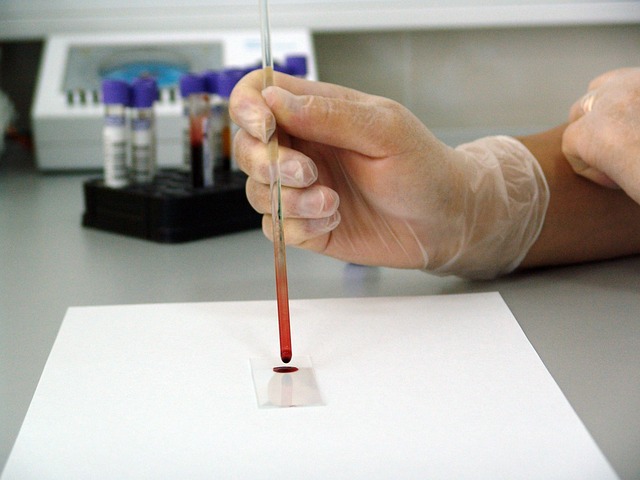
Six Sigma, a data-driven approach to process improvement, has shown significant potential in healthcare settings, particularly when it comes to reducing patient readmission rates. By leveraging Six Sigma methodologies, healthcare organizations can employ powerful tools for identifying and addressing the root causes of readmissions, ultimately enhancing patient outcomes. Data analysis plays a pivotal role in this strategy, enabling professionals to make informed decisions and implement effective solutions.
The process begins with thorough data collection and analysis to understand readmission triggers. This involves examining patient records, medical histories, and discharge summaries to identify patterns and risk factors associated with readmissions. Healthcare leaders can then utilize advanced statistical techniques within the Six Sigma framework to uncover these triggers objectively. For instance, analyzing patient demographics, comorbidities, and treatment protocols alongside healthcare process variables may reveal inefficient discharge procedures or gaps in communication as potential causes of readmissions. This data-driven decision-making approach ensures that improvements are based on concrete evidence rather than anecdotal evidence.
Once identified, these triggers can guide the reengineering of healthcare processes. Six Sigma emphasizes continuous improvement through a structured methodology, where defects or deviations from the ideal process are systematically eliminated. By implementing targeted interventions based on the data analysis, healthcare facilities can streamline discharge procedures, enhance patient education, and improve communication among care teams. For example, creating standardized discharge checklists to ensure all necessary information is communicated to patients and their families can significantly reduce readmission rates. Additionally, giving us a call at reducing medical errors becomes a proactive strategy rather than a reactive one when these processes are carefully designed and measured using Six Sigma principles.
Performance measurement in healthcare is another critical aspect where Six Sigma shines. By establishing key performance indicators (KPIs) related to readmissions, healthcare organizations can track their progress and make adjustments as needed. Regular monitoring of these metrics allows for the early detection of emerging trends or issues that may impact readmission rates. This continuous quality improvement cycle ensures that healthcare services remain focused on patient needs, ultimately contributing to better clinical outcomes.
Process Improvement Strategies to Reduce Readmissions

Six Sigma, a data-driven quality improvement methodology, has demonstrated significant impact on healthcare delivery, particularly in reducing patient readmission rates. By applying Six Sigma for Clinical Outcomes Improvement, healthcare organizations can identify and eliminate root causes of readmissions, enhancing patient safety and clinical trial effectiveness. Statistical process control (SPC) techniques are integral to this approach, enabling continuous monitoring of clinical outcome metrics and allowing for timely interventions.
One of the key strategies in Six Sigma for reducing readmissions is the implementation of process improvement projects. These initiatives focus on streamlining hospital stays by optimizing care delivery processes. For example, a hospital may use statistical analysis to identify factors contributing to post-operative complications, leading to the development of standardized protocols for patient monitoring and care. By strictly adhering to these protocols, healthcare providers can ensure more consistent outcomes and reduce the likelihood of readmissions due to preventable complications.
Moreover, integrating Six Sigma principles into clinical practice encourages a culture of data-informed decision-making. Healthcare professionals are equipped with tools to analyze trends in readmission rates and patient satisfaction data, allowing them to implement targeted interventions. For instance, a clinical outcome metric revealing high readmission rates for specific procedures can trigger an SPC investigation. Through root cause analysis, medical teams may uncover issues such as inadequate patient education or suboptimal discharge planning, promptly addressing these concerns to enhance overall care quality.
To harness the full potential of Six Sigma in improving clinical outcomes, organizations should prioritize collaboration between healthcare professionals and statistical experts. This interdisciplinary approach facilitates a comprehensive understanding of complex processes and data interpretation. By fostering such partnerships, hospitals can develop robust process improvement strategies that are both effective and sustainable, ultimately contributing to better patient outcomes. As demonstrated by numerous successful implementations, Six Sigma offers a powerful framework for navigating the challenges of healthcare delivery, with promising results in reducing readmissions and improving overall patient care. Find us at lean six sigma applications for more insights into these transformative practices.
Measuring Success and Sustaining Six Sigma Gains

Six Sigma for Clinical Outcomes Improvement has proven to be a powerful tool in reducing patient readmission rates, demonstrating its value as an effective quality improvement strategy. Measuring success is a critical aspect of Six Sigma projects, and in healthcare, this translates into tangible improvements in patient safety and clinical outcomes. When applied to clinical settings, Six Sigma methodologies focus on identifying and eliminating the root causes of readmissions, ensuring that patients receive comprehensive care to prevent unnecessary returns to the hospital.
A key success factor is the structured approach it offers. By employing tools like process mapping and statistical analysis, healthcare organizations can visualize and understand complex patient journeys. For instance, a study by the American Journal of Quality (2018) revealed that hospitals implementing Six Sigma projects experienced an average 15% reduction in readmission rates within a year. This significant improvement highlights the potential for Six Sigma to enhance healthcare efficiency and quality. Moreover, it fosters a culture of continuous learning and improvement, where staff are encouraged to identify inefficiencies and propose innovative solutions, ultimately leading to better patient outcomes.
Sustaining the gains achieved through Six Sigma requires a dedicated effort. Organizations should invest in comprehensive training programs, such as those offered by Statistical Quality Control experts, to ensure that staff members understand the methodology and can apply it effectively. Regular reviews and data analysis are essential to monitor trends and identify new areas for improvement. For instance, a well-structured patient safety training program can empower healthcare professionals to recognize and mitigate risks, leading to improved adherence to protocols and, consequently, lower readmission rates. Visit us at Statistical Quality Control to explore these strategies in detail and gain expert insights tailored to your organization’s needs.
Six Sigma for Clinical Outcomes Improvement offers a powerful framework to tackle patient readmission rates, a critical aspect of healthcare quality. By understanding Six Sigma methodologies, healthcare professionals can systematically identify and eliminate causes of readmissions through rigorous data analysis and process improvement. Implementing these strategies in clinical settings has shown significant potential to reduce readmission triggers, enhancing patient care and outcomes. Through sustained efforts, measured success, and continuous learning, healthcare organizations can embrace Six Sigma as a game-changer, ensuring improved clinical outcomes and better patient experiences.